How to Choose the Right School: Charter vs Traditional
Understanding the Basics
Choosing the right school for your child is a crucial decision that can significantly impact their educational journey. Parents often find themselves deliberating between charter schools and traditional public schools. Both have their unique advantages and challenges, and understanding these can help you make an informed choice.
Charter schools are publicly funded but operate independently of the public school system. They often have more flexibility in their curricula and educational approaches. Traditional public schools, on the other hand, are government-run and follow state-mandated curricula. They usually offer a more standardized approach to education.

Performance and Accountability
One of the major considerations for parents is the academic performance of the school. Charter schools have the freedom to innovate with teaching methods, which can lead to impressive results. However, the quality can vary widely from one charter school to another.
Traditional public schools are held accountable to state education standards and often have a more consistent track record. This accountability can provide parents with a sense of security regarding the quality of education their child will receive.
Flexibility vs. Standardization
Charter schools typically offer more flexibility in terms of curriculum design and teaching strategies. This can be beneficial if you're looking for a more personalized educational experience for your child. However, this flexibility can sometimes result in varying educational quality.
Traditional schools adhere to standardized curricula, which can provide a more uniform educational experience. This standardization can be advantageous for students who thrive in structured environments.
Extracurricular Activities and Resources
When evaluating schools, consider the availability of extracurricular activities and resources. Traditional public schools often have a wider range of extracurricular offerings due to larger student populations and funding.
Charter schools may offer specialized programs that align with their educational focus, but their extracurricular offerings can sometimes be limited. It’s essential to assess what activities are most important for your child’s development.
Class Size and Environment
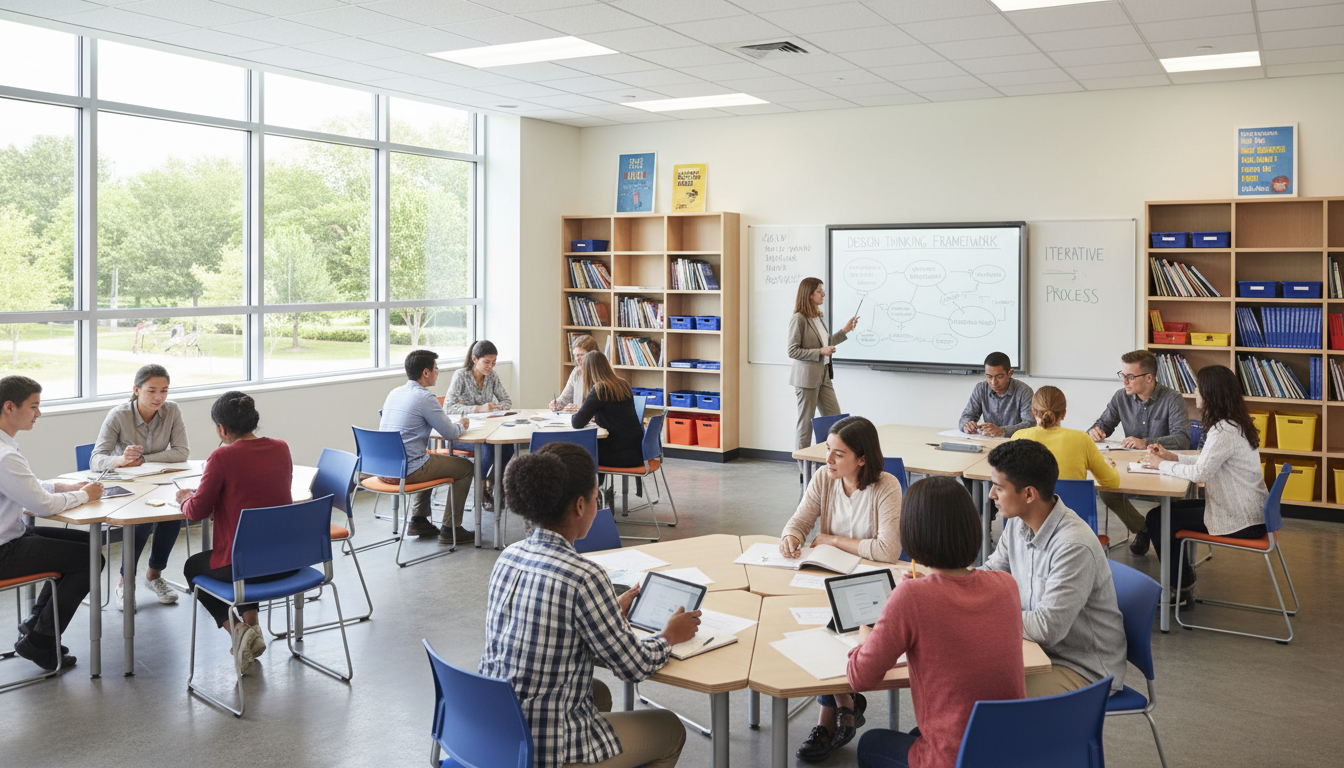
Class size can significantly affect the learning environment. Charter schools often boast smaller class sizes, which can lead to more individualized attention. This can be a substantial benefit for students who need more one-on-one interaction.
Traditional public schools may have larger class sizes, but they also tend to offer more diverse social environments. This diversity can be beneficial for developing social skills and preparing students for real-world interactions.

Making the Decision
Ultimately, the choice between charter and traditional public schools depends on your child's unique needs and learning style. Consider factors such as educational philosophy, available resources, and the school's track record. Visiting schools, talking to educators, and seeking feedback from other parents can also provide valuable insights.
Remember, the right choice is one that aligns with your child’s best interests and educational goals. By thoroughly researching and weighing the options, you can make a decision that sets the foundation for your child's future success.