
The Future of Education: Integrating AI into the Classroom
Revolutionizing Learning with AI
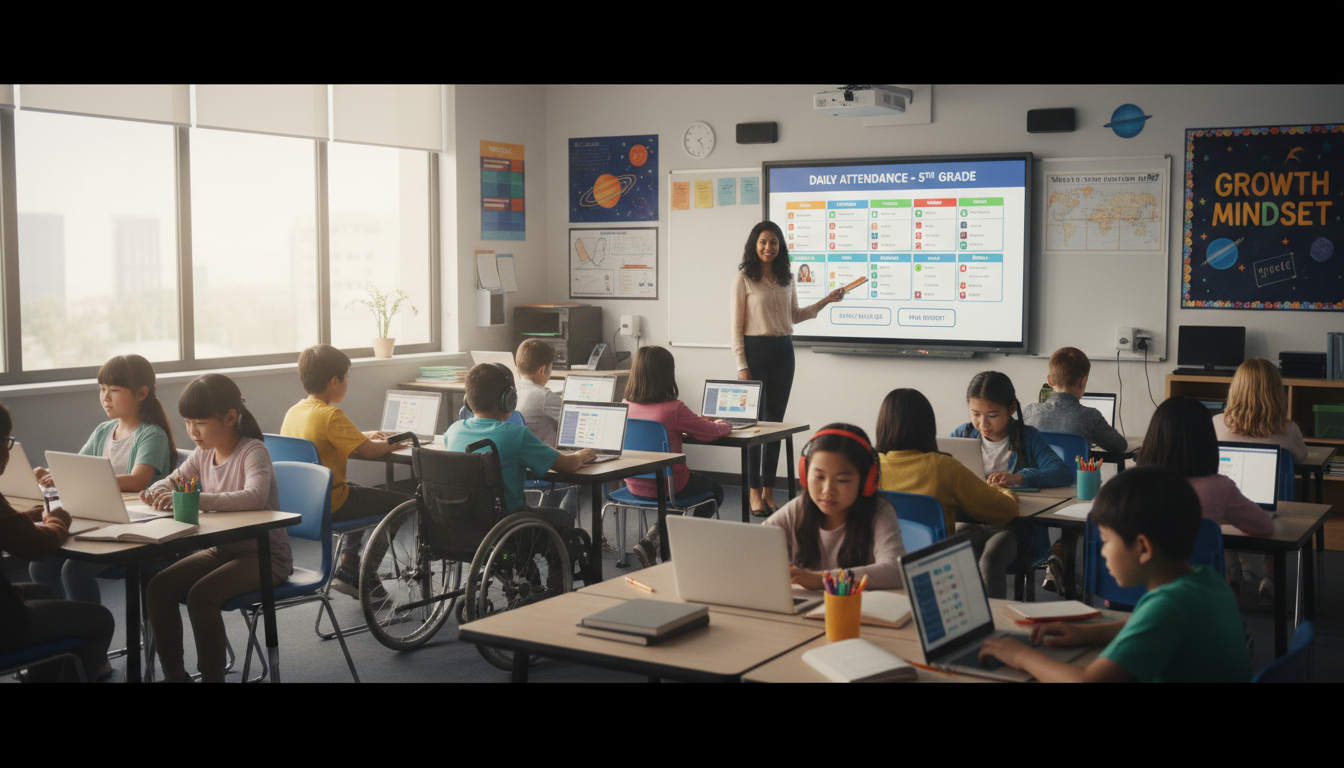
The integration of Artificial Intelligence into classrooms is transforming the educational landscape. As technology continues to evolve, schools worldwide are adopting AI to enhance learning experiences, making education more personalized and accessible than ever before.
Personalized Learning Experiences
AI offers the potential to tailor educational experiences to individual student needs. By analyzing data on student performance, AI systems can identify learning patterns and suggest customized study plans. This personalized approach helps cater to diverse learning styles, ensuring that each student receives the attention they need to succeed.
Moreover, AI-driven platforms can provide real-time feedback, allowing students to understand their strengths and areas for improvement instantly. This immediate feedback loop fosters a more engaging and efficient learning environment.
Enhanced Educational Tools
AI is also revolutionizing the tools teachers use in the classroom. From intelligent tutoring systems to virtual reality experiences, these tools make learning more interactive and immersive. For instance, AI-powered chatbots can assist students with homework, answering questions and providing explanations on demand.
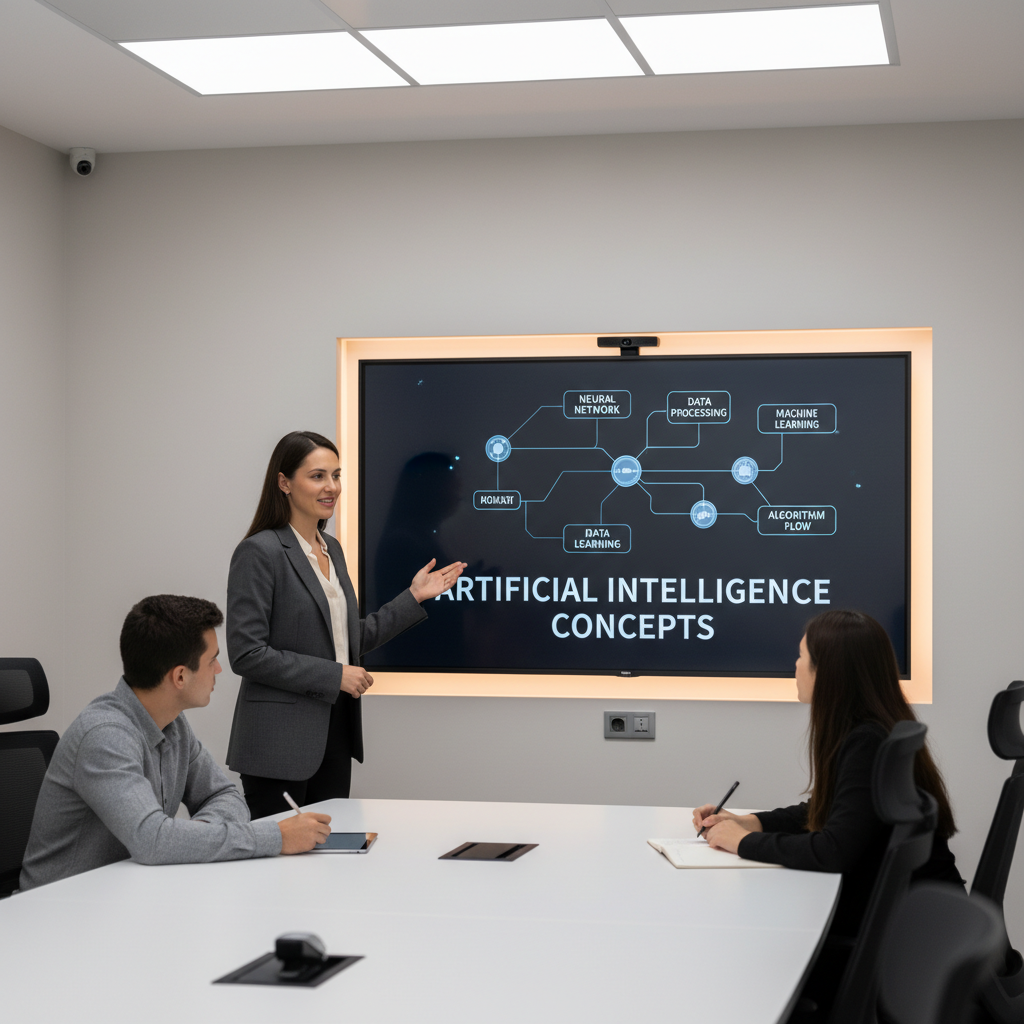
Another significant development is the use of AI in grading. Automated grading systems can evaluate assignments quickly and accurately, freeing up teachers’ time to focus on more critical aspects of teaching, such as lesson planning and student interaction.
Challenges and Considerations
While AI presents numerous benefits, integrating it into the classroom also poses challenges. One major concern is data privacy. Schools must ensure that student information is protected and used ethically. Additionally, there is a need for significant investment in infrastructure and training to effectively implement AI technologies.
Teachers and administrators must also adapt to these changes, embracing new roles as facilitators in an AI-enhanced learning environment. Continuous professional development will be essential to help educators stay abreast of technological advancements.

The Future of AI in Education
Looking ahead, the role of AI in education is likely to expand even further. Future classrooms may leverage AI to predict educational trends, optimize resource allocation, and even support emotional and social learning. As AI becomes more sophisticated, its potential to transform education will only grow.
Ultimately, the successful integration of AI into the classroom will depend on a collaborative effort between educators, technologists, and policymakers. By working together, we can harness the power of AI to create a more inclusive and effective educational system for all.